Death Cleanup
Fluids, odor and impacted belongings are addressed when a home is cleaned after a death.
See death cleanupGet decomposition fluids, affected materials and odor removed from a home, apartment, rental or business in Downtown Brooklyn after officials release the property. Cleanup timing depends on the affected area and materials.
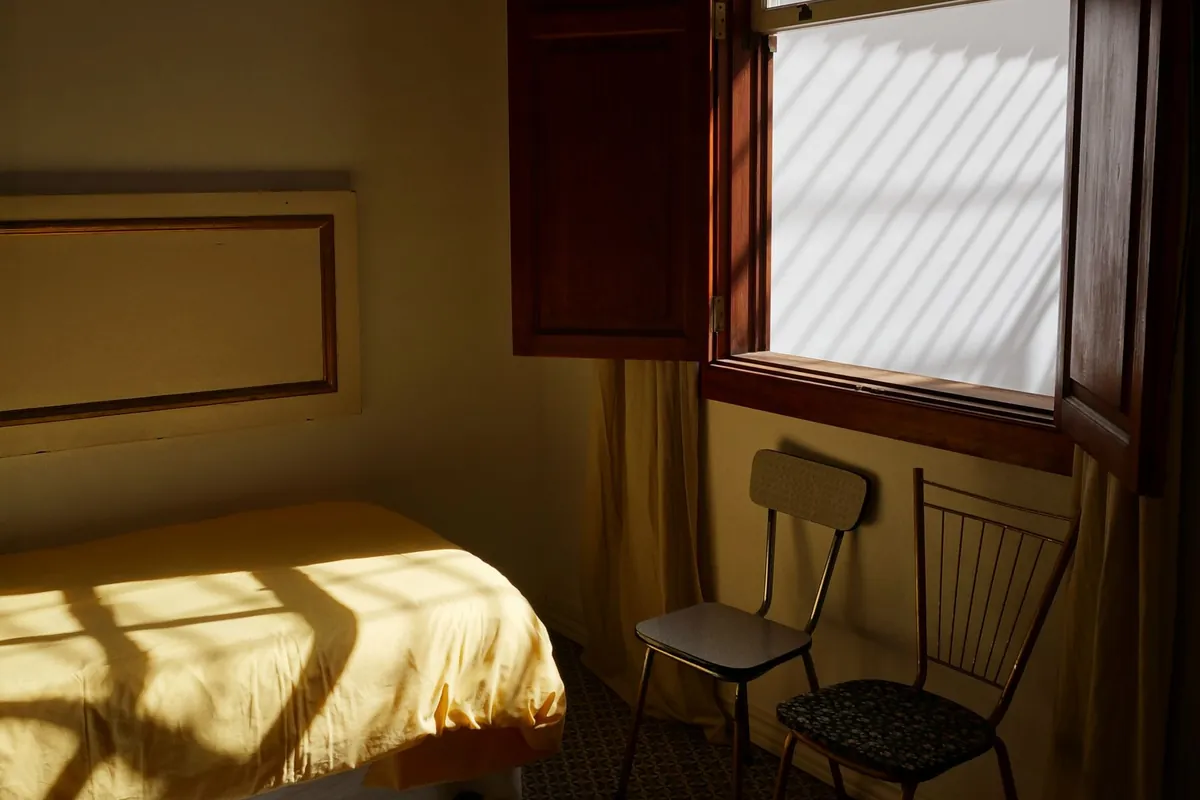
Unattended death cleanup is the removal of decomposition fluids, contaminated belongings and odor after a person has died and was not found right away, followed by cleaning and disinfection of the affected area.
The medical examiner or funeral home takes the person into care, but neither cleans the home. Once officials release the property, you or the person responsible for it must arrange the cleanup. The work is also called unattended death clean up, decomposition cleanup, post death cleanup and biohazard clean up after death.
The cleanup process follows contamination beyond the visible area. Bodily fluids can move through bedding, carpet and pad, enter flooring seams, reach subfloor, or collect beside walls and furniture. Cleanup technicians identify those paths, remove materials that cannot be fully cleaned, treat remaining surfaces with an EPA-registered disinfectant for its labeled contact time, and prepare hazardous waste for lawful disposal.
The remediation process also includes odor removal. Air and surface treatment follows removal of the source. Outside affected areas, personal property can afterward be organized, cleaned if appropriate, or held for you to examine. New drywall, baseboards or flooring and similar repairs generally follow completion of death scene cleanup.
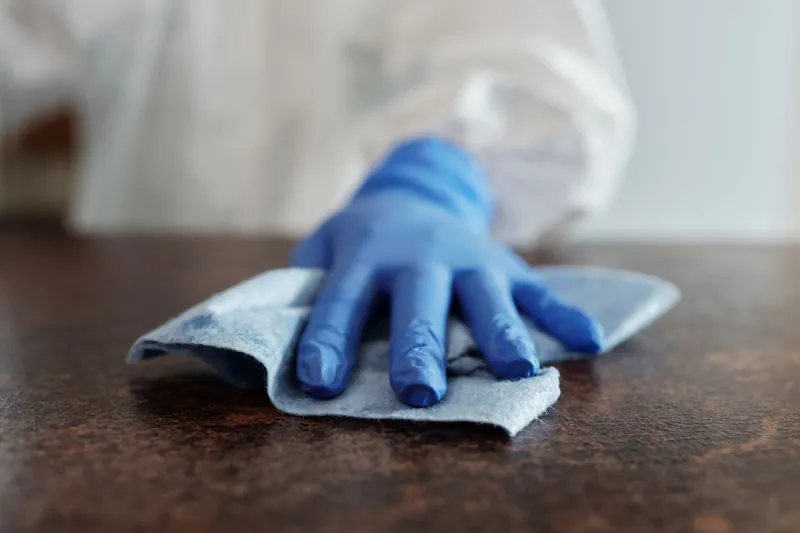
Crews arrive in unmarked vehicles, with calls answered both day and night. You can arrange entry without walking through the affected room or discussing private details with neighbors.
Safely reachable photos, records, jewelry and additional valued possessions are set aside. Wherever possible, the choice about treating separated property remains yours.
The pre-work discussion covers affected materials, what can stay, what must come out and factors shaping cost. Questions can be answered at each stage.
You can organize the cleanup scope, disposal records and photos for landlords, managers or insurance companies. Clear records help you move forward with repairs and claim evaluation.
When someone was not found soon enough after death, resulting fluids or odor may make unattended death cleanup services necessary. Whatever the location, others should be kept away and the contamination path must be identified.
A landlord or property manager may arrange access after officials release the unit. Personal belongings should stay in place until the authorized person decides what may be cleaned, saved or removed.
Access can be difficult when heavy possessions cover contaminated areas. Death cleanup and hoarding cleanup require coordination so reviewable property stays separate from contaminated materials.
A short-term rental or hotel may need private containment, treatment for floors and furnishings, and controlled odor removal before normal use or repairs.
Bodily fluids may soak into seats, flooring, padding and inner panels. The assessment determines whether each piece can be cleaned or must be removed for proper biohazard remediation.
Stay outside the affected area until its official release. The steps below can protect other people and you while preserving the investigation and any insurance claim that may follow.
Call (888) 440-9227Published guides place many unattended death cleanup cases between $2,000 and $7,000. A recent one-room case may fall between $2,000 and $5,000. A death found after one to two weeks may range from $8,000 to $18,000. Time before discovery, fluid penetration, materials, odor treatment and waste volume shape the final price after an on-site assessment.
These national ranges are taken from published cost guides, rather than a property visit. After an on-site assessment, the price for your property is determined and shared with you before cleanup begins.
Ask about cost: (888) 440-9227Insurance for a home, rental or commercial property may cover cleanup after an unattended death. The cause of the loss and the policy's exclusions, deductible and other terms determine coverage.
Find out which records your adjuster requires. Site photographs, a detailed work scope, waste documentation and notes identifying removed materials may support the insurance company's evaluation.
When you call the insurance company, ask specifically about cleanup involving biohazard remediation, affected material removal, odor treatment and repairs. Keep the claim number and ask before discarding property.
The lease, ownership responsibilities and policy terms affect who arranges payment. A landlord may coordinate work in the building while a tenant's policy may apply to personal property.
Homeowners or renters insurance, the estate or the property owner usually pays for this kind of cleanup. The New York crime victim compensation program helps only when a crime caused the loss.
Release and assessment come first in the controlled process for unattended death cleanup. What is found sets the course for removal and disinfection, followed by odor treatment and final records.
After confirming release, technicians coordinate entry with you, inspect the affected area and surrounding spaces, document findings, and identify required work.
The work zone is separated from clean parts of the property. Barriers, protected flooring and managed airflow reduce movement along shared areas and hallways.
Cleanup technicians use protective clothing, gloves, eye protection and respiratory protection suited to the work. OSHA Bloodborne Pathogens Standard 29 CFR 1910.1030 governs work that may expose workers to blood.
Controlled sections of carpet, padding, bedding, furniture, drywall or flooring are removed when complete disinfection is not possible. Keepsakes and unaffected personal property are separated for you to inspect.
Cleaning comes before applying an EPA-registered disinfectant to remaining hard surfaces for the full contact time on its label. Treatment also covers crevices and nearby surfaces.
Odor treatment begins after contaminated sources are removed. Methods such as hydroxyl treatment or HEPA air scrubbers may be chosen based on the room and materials left inside.
Contaminated materials are placed in suitable sealed containers and carried along a predetermined route. Cleanup photographs, insurance paperwork and waste disposal records may be kept together.
The work area is inspected after cleaning and odor treatment. Once the completed scope is recorded for you, affected finishes can advance to restoration services.
Call any hour. You speak with an unattended death cleanup specialist who outlines the process and schedules a start time with you.
An unattended death may result in contaminated porous materials along with bodily fluids. Safe work calls for protective equipment, removal under controlled conditions and thorough disinfection.
Affected flooring, bedding, carpet and other removed materials may be subject to regulated disposal, transport and packaging. Do not loosely put those materials in residential garbage or move them across clean spaces.
Some bodily fluids and blood may contain bloodborne pathogens. Hepatitis B can persist on a surface for at least seven days, the CDC says. Dried material should not be treated as harmless, and direct contact should be avoided.
During an already difficult time, entering the place of a loved one's death can cause more distress. You may coordinate entry without seeing the affected room and point out valued possessions while staying somewhere safe.
Can you clean it yourself? Do not treat an unattended death like a small spill at home. Do not apply spray, use a vacuum or touch the affected area. Keep the room closed so material does not reach surrounding areas. Wait for a release from law enforcement or the medical examiner before arranging professional cleanup.
Keeping a material is possible when its exposed parts are reachable and allow complete cleaning. If a porous object has absorbed decomposition fluids beyond effective disinfection, it is taken out.
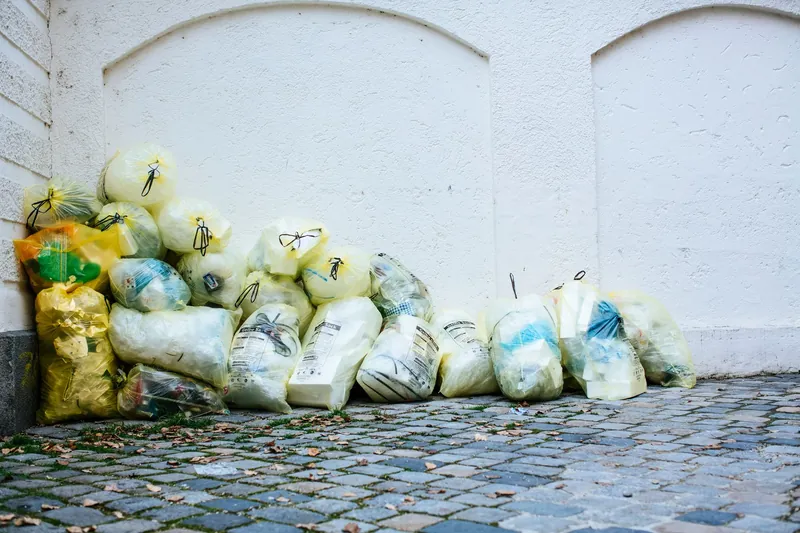
Worker practices, training, protective equipment and exposure controls are required by federal OSHA Bloodborne Pathogens Standard 29 CFR 1910.1030 where blood exposure may occur.
The target organism requires a disinfectant registered by the EPA and used in accordance with its label. Keep the surface wet throughout all contact time shown on the label.
New York treats blood-soaked materials from a biohazard scene as regulated medical waste. Rules from the Department of Environmental Conservation and the Department of Health control how it is packed, moved and treated, so it cannot go in household trash.
In New York City, the Office of Chief Medical Examiner investigates sudden and unexplained deaths in all five boroughs. Cleanup starts after police or the medical examiner release the scene.
A limited cleanup after an unattended death may require about one day when only one room is involved. Subfloor removal, extensive treatment for odor or contamination across several areas can extend the work to several days. You receive the clearest timing after the on-site assessment.
The full unattended death cleanup guide covers what is cleaned or removed, odor and air quality work, and the rules that apply in New York and Kings County.
Read the full unattended death cleanup guideLocal population patterns, housing and site access may affect how containment and cleanup are planned.
Brooklyn Hospital Center, Downtown Campus is about 0.3 miles from Downtown Brooklyn, which is useful to know when an exposure or injury needs medical attention.
With Boerum Hill, boerum-hill-historic-district, and Fort Greene close by, accurate street and unit details help avoid confusion during a sensitive response.
In this community, identifying the correct building entrance can reduce unnecessary movement through shared spaces during a sensitive cleanup.
You can ask about cleanup in nearby communities and ZIP codes during the call.
Fluids, odor and impacted belongings are addressed when a home is cleaned after a death.
See death cleanup
Removal of decomposition fluids from floors, subfloors and furniture.
See decomposition cleanup
Death odor removal at the source with air scrubbers, hydroxyl and ozone treatment.
See death odor removal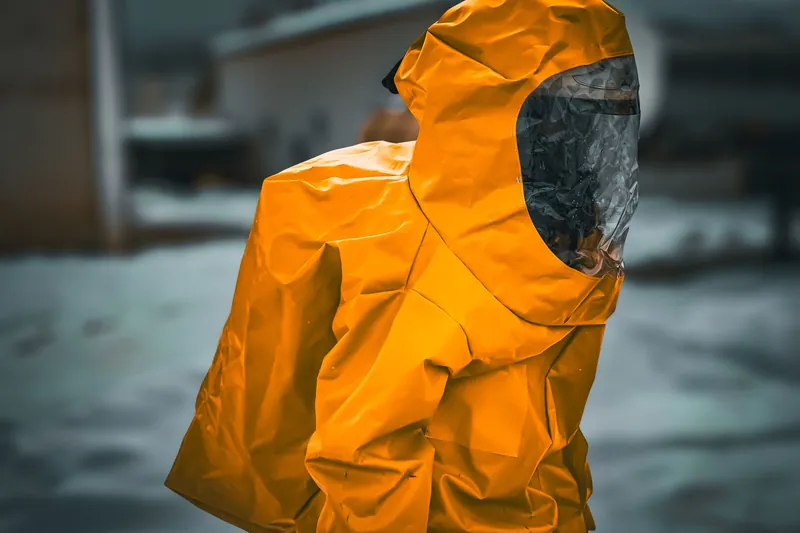
Blood, body fluids and other infectious materials are removed, followed by property disinfection.
See biohazard cleanup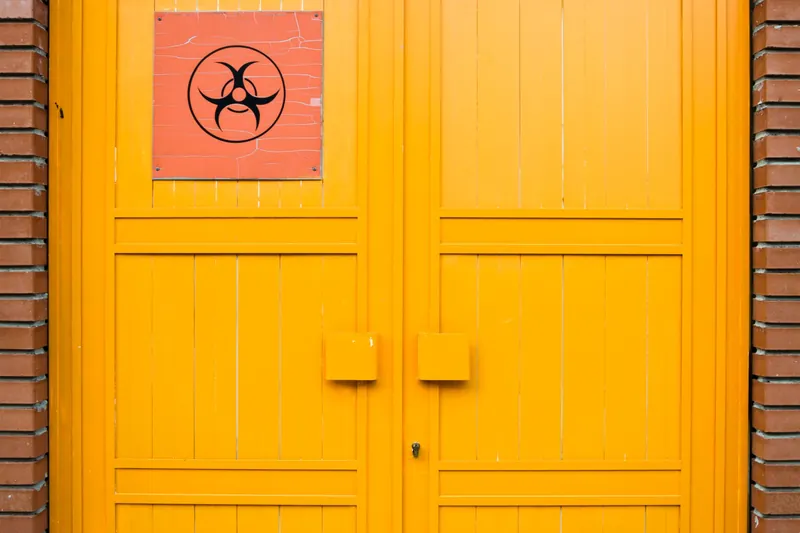
Trauma scene cleanup is needed after violent events, accidents and injuries.
See trauma scene cleanup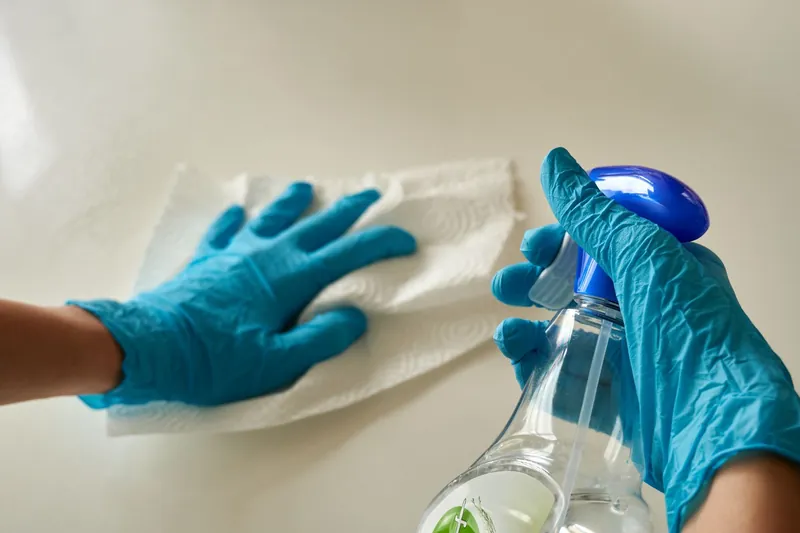
Walls, carpets, furnishings and hard floors receive blood cleanup, with safe disposal afterward.
See blood cleanup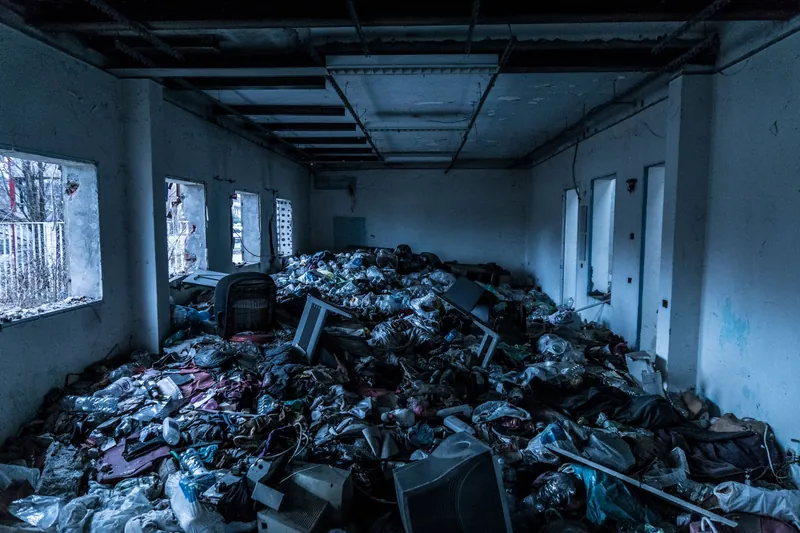
Respectful sorting, item removal and deep cleaning are included in hoarding cleanup.
See hoarding cleanup
Suicide cleanup is completed privately and with care, protecting families from seeing the scene.
See suicide cleanupCoverage could apply, depending on the cause of loss, policy language, exclusions and deductible. Tell the insurance company about the loss, then ask what applies to contaminated materials requiring removal, restoration, odor treatment and biohazard remediation. Save the claim number along with photos, scope and disposal records, and get adjuster guidance prior to disposing of affected items.
The property is not cleaned by law enforcement, the medical examiner or funeral home staff. Once officials release the property, an authorized representative, owner, landlord or family member arranges an unattended death cleanup service. Cleanup technicians can prepare hazardous waste for appropriate disposal after removing contaminated materials, disinfecting surfaces and treating odor.
Published guides show that many cases range from $2,000 to $7,000. A case found recently in one room may fall between $2,000 and $5,000, but after a one to two week discovery period the cost may be $8,000 to $18,000. During the on-site assessment, discovery timing, penetrated materials, necessary odor treatment and waste amounts are considered.
Wait for officials to release the house and for biohazard cleanup to end before you begin sorting. Begin with valuables, records and belongings beyond the affected area. Ask technicians to set aside reachable keepsakes. After the space is cleared for entry, you can decide what to keep, donate, store or discard without disturbing hazardous materials.
A limited area may take about one day. Removal of carpet, padding or subfloor in one room may require one to three days. Multiple affected areas can require more time. The post-assessment schedule depends on access, fluid penetration, odor spread, personal property and total waste.
Finding and removing the source allows the odor to be addressed. After that, remaining surfaces are cleaned and disinfected, and air treatment is selected for the space. Inspection may include subflooring, carpet pad, furniture, wall openings and HVAC spaces. Using fragrance does not eliminate the source or substitute for remediation.
Discreet, respectful unattended death cleanup, 24 hours a day, with crews in unmarked vehicles.